Agents need a budget
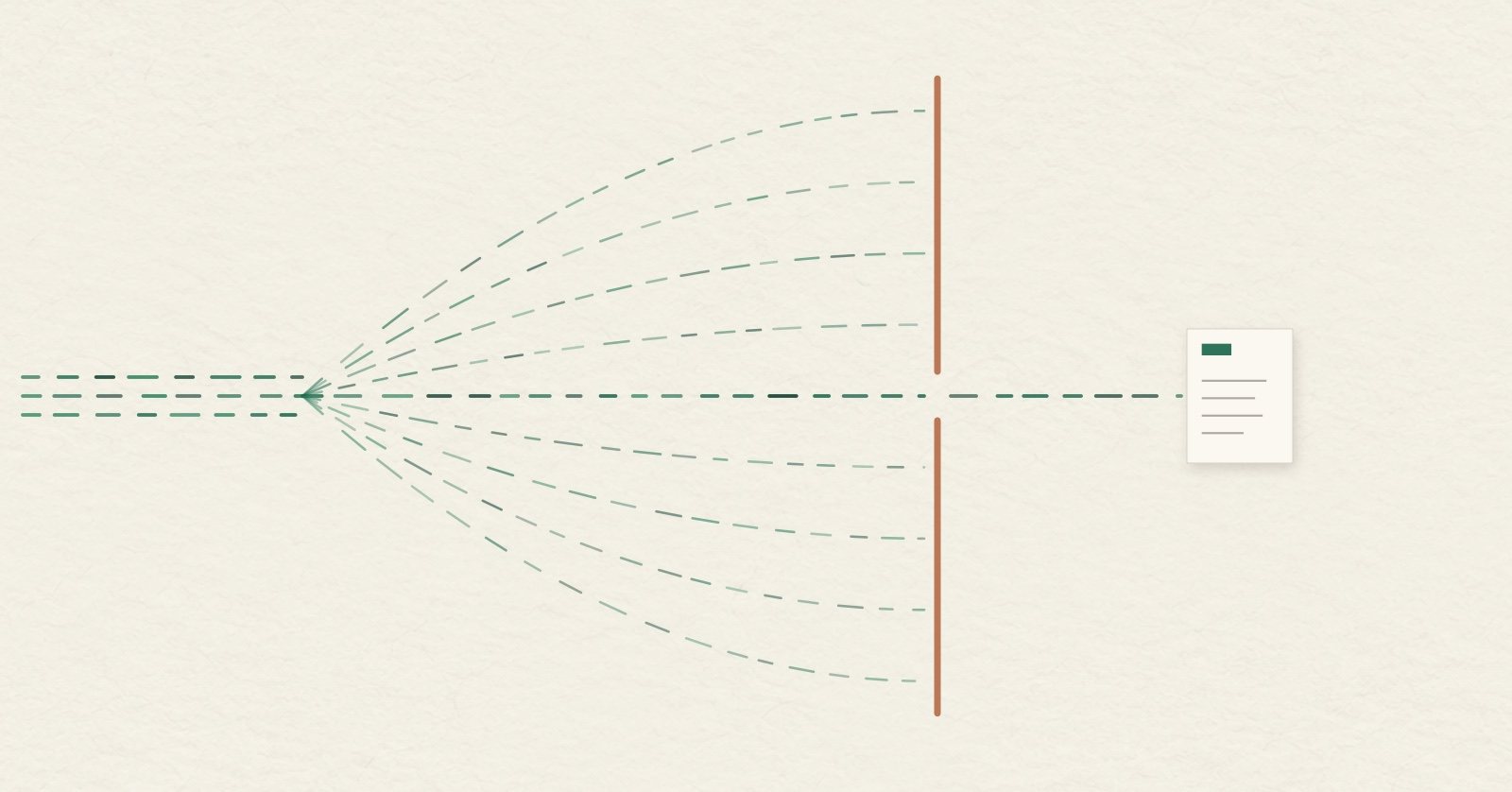
At the end of October I gave an AI agent three jobs on my own website. Off its own bat, it shared the work out among a crowd of sub-agents. Within a week I had run through one model's allowance twice and hit my subscription's weekly limit. In one run, two sub-agents out of 40 came back with a result. As far as I can judge, a single targeted check would have caught the mistakes that mattered in the end. The vendor wasn't to blame: I had set neither a budget nor an outcome.
With an agent, the cost lies not in the individual question but in the route it picks for itself: steps, retries, sub-agents working side by side, restarts. Without a ceiling, usage climbs whether or not the benefit does. That makes it a job for financial control, as with any other contractor.
This holds across vendors; only the unit changes. Anthropic caps its Claude subscriptions with a five-hour window and weekly limits, and both model and effort level make a difference. With the multi-agent "ultracode" mode in Claude Code, the documentation says every request uses more tokens and limits arrive sooner. OpenAI notes that Codex tasks which look alike can eat into your allowance by different amounts. Microsoft bills Copilot Studio in credits: 2 for a generative answer, 5 for an agent action (all as of 5 November 2026). Since its revision by Regulation (EU) 2026/1744, Article 4(1) of the EU AI Act has required measures that support the AI literacy of staff. It says nothing about cost. I would count sensible spending as part of it all the same.
A made-up example: an office tells an agent to "check all this year's invoices", with no ceiling. It sets checkers on every month, stops dead at the limit, and nobody knows which months are done. Now the same job with a sample: one month, a small model, a fixed cap, and a list of discrepancies at the end. A person then decides whether the rest is worth doing.
I have boiled this down to five rules. One: set the budget before the job – how much may it cost? Two: settle the outcome up front – what will exist at the end, and how will I recognise it? Three: use the smallest model and lowest thinking level that will do, going large only where mistakes are expensive. Four: run things in parallel only on purpose, with no automatic restart after a failure. Five: keep a log – what was used for what? It will get its own chapter in the workshops from January 2027.
Do you know what your last agent run used up – and what came of it?