E-invoicing: when the data becomes the invoice
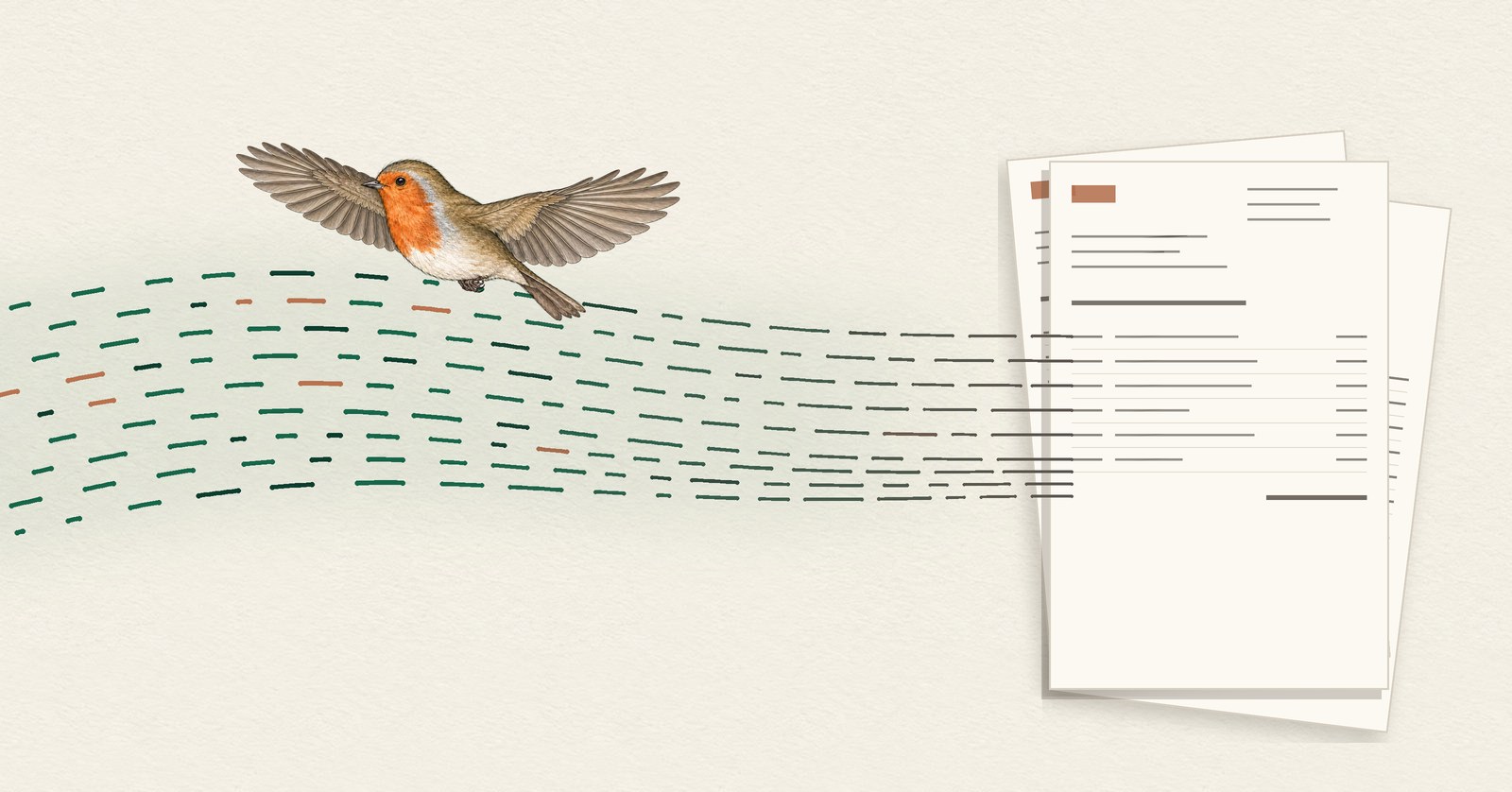
As a bookkeeper, I have spent more than enough time turning paper and PDF invoices into data. With e-invoicing, I no longer have to.
The principle will be familiar from integrated business software (ERP) and from digital HR systems with an employee portal: master data and transactions are passed on for processing as soon as they arise, either in real time or at set intervals. ERP systems have done exactly this with sales invoicing for decades. The billing data goes straight to accounts receivable as structured data, and the printed invoice never played any part in the outcome. It was only ever needed by the customer and for the tax audit.
That last reason for keeping a picture of the invoice fell away with the new wording of Section 14(1) of the German VAT Act (UStG) on 1 January 2025 and the Federal Ministry of Finance's circular of 14 July 2025 amending the GoBD, the German principles for electronic bookkeeping (paras. 76, 118 and 119). With an e-invoice, the structured data is the invoice, and as a rule it is the only part that has to be kept.
I appreciate that the remaining transitional rules are taking up a great deal of attention at the moment. The bigger opportunity, though, is to rethink our own processes now rather than hold on to the paper invoice and all the red tape that comes with it. Everyone wants less bureaucracy – until it means changing the way they work. Yet working with data throughout, rather than with pictures of documents, takes a real weight off.
To show what I mean, consider how much effort goes into turning documents back into data. We copy IBANs from invoices into our banking software whenever the payee is not yet on file. With an e-invoice, the IBAN is already in the data, so the payment can be set up without anyone re-keying a thing.
In the next piece in my series Riding the data flow of value creation, I will look at further examples of how fewer manual hand-offs, straight-through processing and well-built interfaces spare us from entering the same data twice.