Mistakes multiply – why ARP starts with getting your house in order
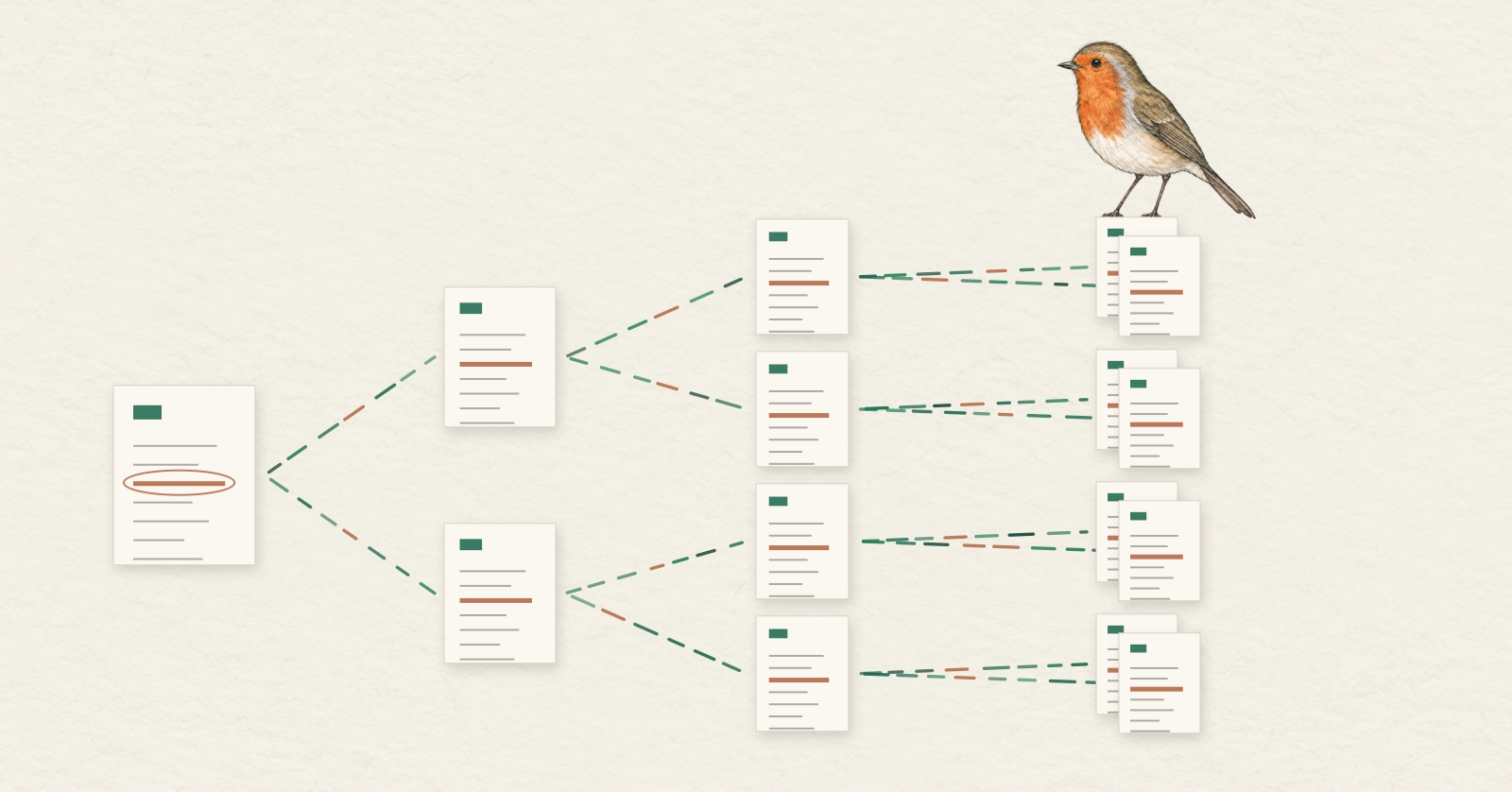
I have watched automated bank rules get it wrong. One rule books the health insurer's reimbursement of sick pay as revenue, complete with VAT. Another books revenue already recorded in accounts receivable a second time – again with VAT. And a supplier account hard-wired to an expense account and a tax code claims input VAT at the wrong rate. A mistake in a rule never stays a one-off. It multiplies.
An ERP system is an excellent archive. It tells you what happened. Since 2025, a term has been doing the rounds that promises rather more: ARP, agentic resource planning. Agents keep constant watch, work out the consequences and act within guardrails set by a person – or put the decision forward for approval. That is how the software company SHAKE describes it; in 2026, it declared ARP a category of its own.
The yardstick stays the same. Under Section 145(1) of the German Fiscal Code (AO), it must be possible to trace business transactions from their origin through to their completion. Whether a person, a rule or an agent makes the booking makes no difference.
It gets tricky when two pieces of information clash. The supplier account is linked to a fixed tax code and expense account, but the same supplier's e-invoice shows a different VAT rate. Both are on file. Which one wins – the rule or the facts? For input VAT, Section 15(1) sentence 1 no. 1 of the German VAT Act (UStG) allows the deduction of the tax legally owed for the supply actually made. The rule is an assumption from the past; the invoice is evidence of what happened. But the invoice can be wrong too. So a contradiction is not something software should settle quietly – it is a reason to stop. While invoices arrived as pictures, it only surfaced if someone looked. With the structured data of an e-invoice, a machine can spot it.
An agent that learns from last year's bookings will pick up their mistakes as a pattern. In my view, it only becomes traceable if three things are on record: the guardrails a person has set, which source takes precedence when two disagree, and where a person signs off.
For now, ARP is more ambition than reality. Gartner expects over 40% of agentic AI projects to be cancelled by the end of 2027, partly because of inadequate risk controls (25 June 2025). So preparation starts not with new software but with a careful look at your existing processes: which rules are running, who set them up, can last year's data be trusted, and what happens when a rule and an invoice disagree?
When did you last go through the automated rules in your bookkeeping?