The end of ERP as we know it – why internal interfaces are only a stopgap
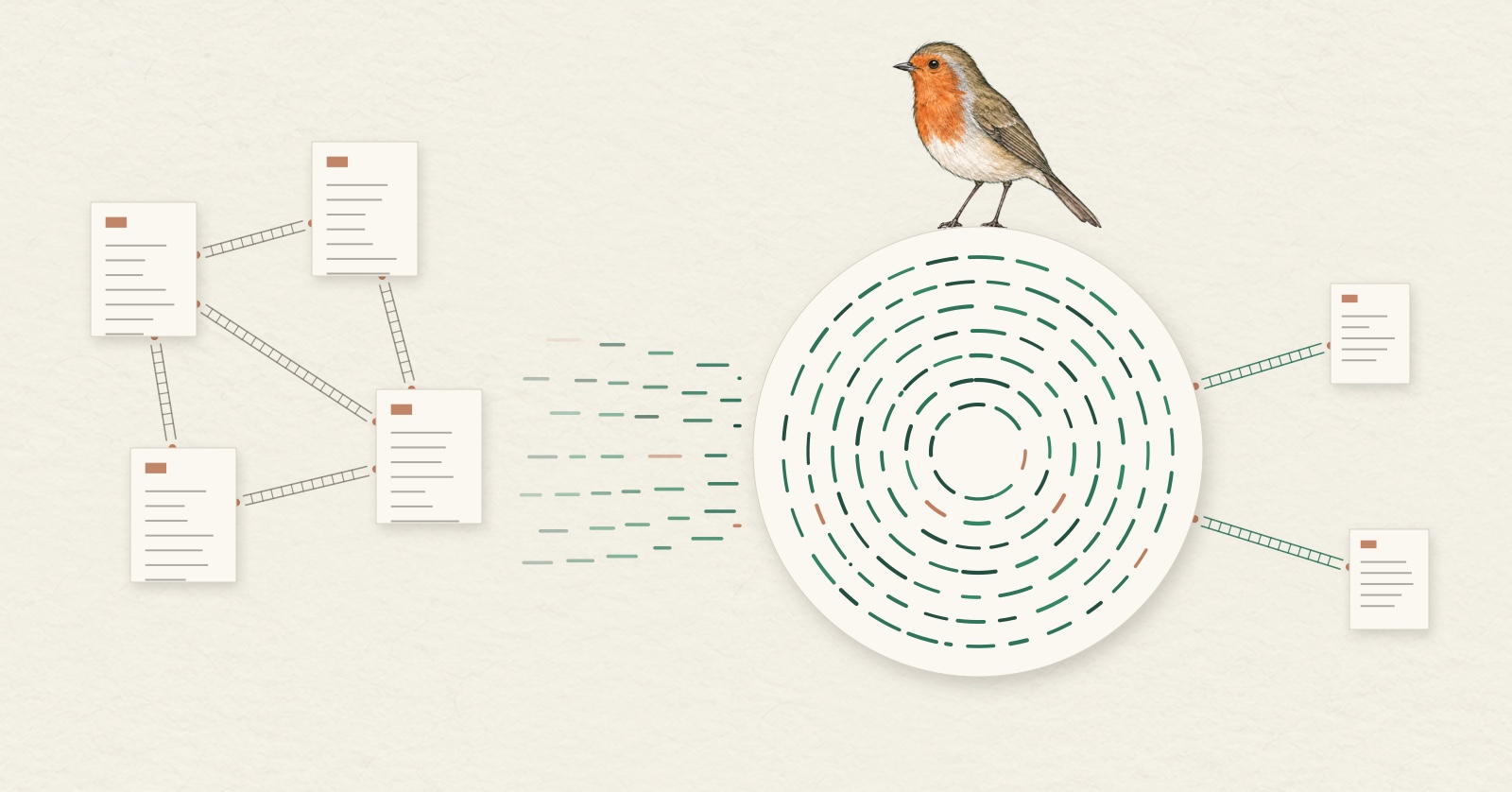
Whether I look at the firm or at our clients, I see the same picture: an inventory system, an accounting package, a banking tool, a document inbox, payroll – and spreadsheets on top. Each system does its job well. Together, they are a patchwork held together by interfaces.
My last piece was about breaks in the digital chain. An interface closes that break, but the transfer remains: the same data sits in two systems, has to be reconciled and matched, and every hand-off can go wrong. Sales invoices travel from the inventory system into accounting through an invoicing interface; payroll entries come across from the payroll system. These interfaces only exist because two systems within the same business are kept apart. They are bridges over a gap that a shared data model would never have had.
Bank statements arriving via EBICS or a bank API, and e-invoices from suppliers, are a different matter. Here the interface links two separate businesses. These bridges are here to stay, and what helps is common standards such as EBICS and XRechnung, not a shared system.
In "The end of ERP as we know it?" (11 May 2026), McKinsey sets out where this is heading. AI-native solutions, often networks of autonomous agents, sit on top of traditional business applications and run processes from end to end. In the most radical scenario, ERP as we know it ceases to exist. McKinsey's own expectation is different: the core, with its data and business rules, stays, but people stop working in its screens and work through agents instead. ERP goes "headless".
Software providers are building accordingly. On 15 October 2025, Wolters Kluwer launched "CCH Axcess Expert AI" in the US, bringing tax, audit and practice management together around a digital core, with AI built into the foundations rather than bolted on to legacy systems. Pennylane combines bookkeeping, accounting and finance in a single platform, from capturing documents to filing the tax return; the company says more than 6,000 accountancy firms and more than 1,000,000 businesses use it. Neither does away with interfaces: Pennylane lists more than 300 integrations, and on 16 September 2026 Wolters Kluwer introduced dedicated access keys for third-party providers. The interface moves to the edge of the platform.
For firms and their clients, this means less reconciling between their own systems and fewer transfer steps for the procedural documentation to explain. The change will not come cheap. Legacy systems, established processes and data migration take years to work through; McKinsey expects a gradual, hybrid transition rather than an overnight switch. And a platform that holds everything brings a new risk of dependency. In my next piece, I will look at who still does the checking once nobody is transferring data by hand.